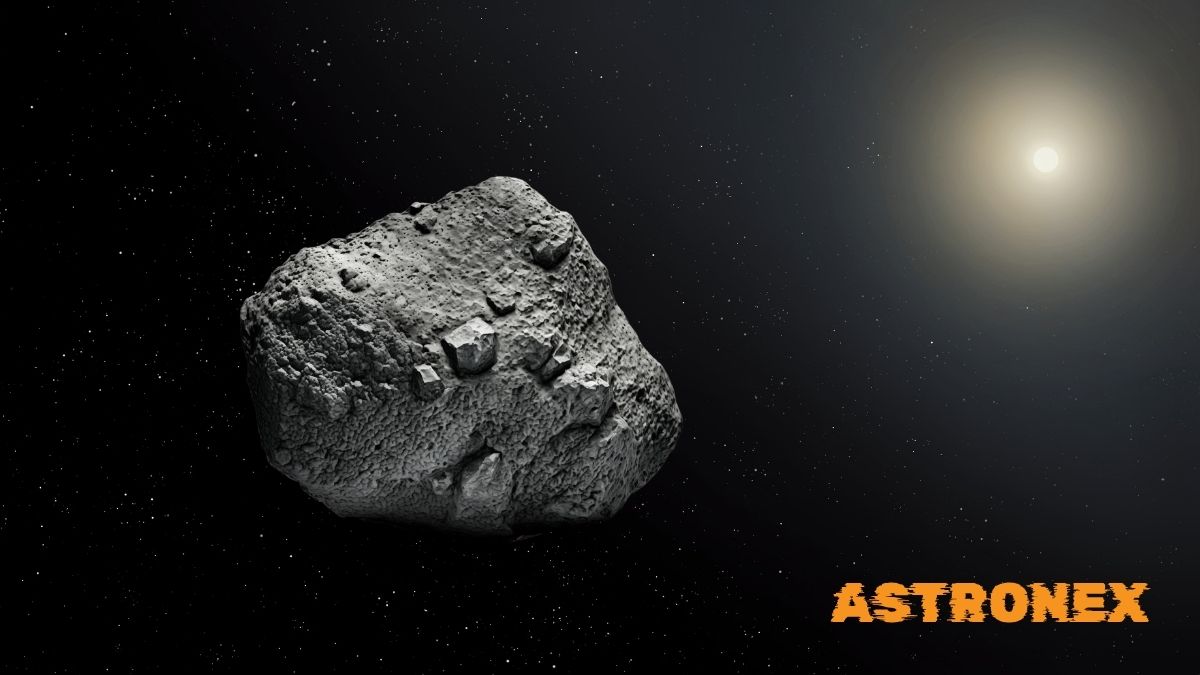
Asteroid Bennu, a near-Earth object about 500 meters (1640 feet) in diameter, has captivated scientists since its discovery in 1999. This carbon-rich body orbits the Sun every 1.2 years and comes close to Earth roughly every six years, making it a potential hazard but also an ideal target for study. NASA’s OSIRIS-REx mission, launched in September 2016, aimed to unlock Bennu’s mysteries by collecting and returning samples to Earth. The spacecraft arrived at Bennu in December 2018, revealing a rugged, boulder-strewn surface far different from expectations. After years of mapping and analysis, it successfully gathered material in October 2020 and delivered it back on September 24, 2023, providing pristine pieces from the early solar system.
Recent examinations of these samples, conducted in clean labs to avoid contamination, have uncovered astonishing details about Bennu’s composition and history. Scientists found abundant carbon compounds, water-bearing minerals, and even traces of organic molecules that could hint at how life-forming ingredients spread through space. These findings build on initial observations, showing Bennu as a time capsule from 4.5 billion years ago when planets formed. With over 70 grams (2.48 ounces) of material collected, exceeding mission goals, researchers continue to probe its secrets using advanced tools like electron microscopes and spectrometers.
What hidden clues in Bennu’s rocks might rewrite our understanding of how water and organics reached Earth?
What Is Asteroid Bennu and Why Is It Important?
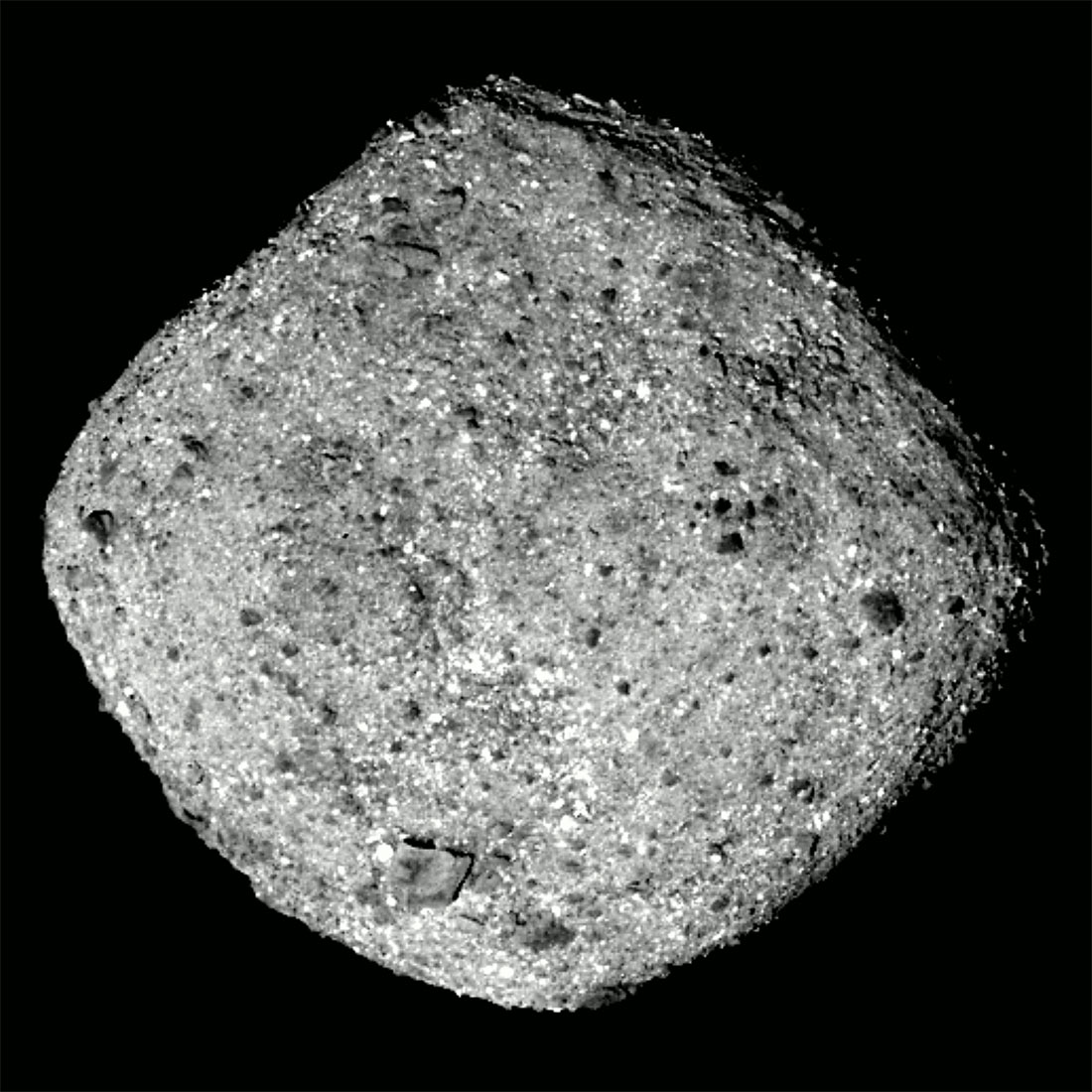
Asteroid Bennu stands out as a primitive, carbonaceous asteroid, meaning it contains high levels of carbon and likely unchanged materials from the solar system’s birth. Its shape resembles a spinning top, with a diameter of approximately 490 meters (1608 feet) at the equator, and it rotates every 4.3 hours. This rotation causes material to shift toward the equator, creating a slight bulge. Bennu’s mass is about 7.3 x 10^10 kilograms (73 billion kilograms), roughly the weight of 200 fully loaded Boeing 747 airplanes, and its density is around 1.19 grams per cubic centimeter (similar to loosely packed gravel on Earth). These measurements come from precise orbital data gathered during the mission.
Bennu’s importance lies in its potential to explain the delivery of water and organic compounds to early Earth. As a B-type asteroid, it reflects little light, with an albedo (reflectivity) of just 0.044, making it darker than coal. This darkness suggests carbon-rich surfaces, which could hold volatiles (easily evaporated substances like water ice). According to NASA’s OSIRIS-REx mission overview, Bennu may have originated in the outer asteroid belt, migrating inward over billions of years due to gravitational influences from planets like Jupiter. Its orbit brings it within 0.003 astronomical units (about 450,000 kilometers or 280,000 miles) of Earth, classifying it as a potentially hazardous asteroid, though no impact is predicted for centuries.
Studying Bennu helps assess risks from similar objects while revealing solar system evolution. For instance, its rubble-pile structure—loose rocks held by weak gravity—mirrors many near-Earth asteroids. Fun fact: If you stood on Bennu, your escape velocity would be just 0.05 meters per second (0.11 miles per hour), so a gentle jump could send you into space. Comparisons to Earth rocks show Bennu as more porous, with voids up to 50% of its volume, like a cosmic sponge. To visualize this porosity, imagine a diagram of Bennu’s internal structure, where gravity maps indicate uneven density distributions. Such details highlight why Bennu serves as a key puzzle piece in planetary science.
The mission’s sample return allows direct lab analysis, avoiding atmospheric contamination that affects meteorites. Early spectral data matched ground-based observations, confirming hydrated minerals on the surface. This hydration, detected via infrared spectroscopy, indicates past water activity, crucial for understanding habitable environments elsewhere.
How Did the OSIRIS-REx Mission Reach Bennu?
The OSIRIS-REx spacecraft embarked on a seven-year journey covering over 2 billion kilometers (1.2 billion miles) to reach Bennu. Launched atop an Atlas V rocket from Cape Canaveral, Florida, it used Earth’s gravity for a slingshot assist in September 2017, boosting its speed by 3.778 kilometers per second (2.35 miles per second). This maneuver adjusted its trajectory to match Bennu’s orbit, which is inclined 6 degrees to Earth’s path. Upon arrival in December 2018, the probe entered orbit at a mere 1.75 kilometers (1.09 miles) altitude, setting a record for the closest orbit around a small body.
Navigation relied on the spacecraft’s suite of instruments, including five cameras, spectrometers, and a laser altimeter. These tools mapped Bennu’s surface to a resolution of 5 centimeters (2 inches) per pixel, creating detailed 3D models. Thrusters fired periodically to counteract Bennu’s weak gravity, which is only 5 micro-g (millionths of Earth’s gravity). According to NASA’s Bennu sample analysis release, the mission team selected the Nightingale crater for sampling after surveying over 800 potential sites, choosing one with fine regolith (surface dust and rocks).
Challenges included Bennu’s unexpected activity: the asteroid ejects particles into space, observed 11 times during approach. These ejections, up to 10 meters (33 feet) per second, resemble mini-geysers and may result from thermal cracking or volatile release. To illustrate, picture a graph showing ejection events over time, peaking near perihelion (closest to Sun). The spacecraft’s design incorporated a Touch-and-Go Sample Acquisition Mechanism (TAGSAM), a robotic arm that puffs nitrogen gas to stir up material.
The journey back involved another Earth flyby, but the sample capsule parachuted safely in Utah. This round-trip demonstrated advanced autonomous navigation, with the probe making real-time adjustments using optical landmarks on Bennu.
What Surprising Features Were Observed on Bennu’s Surface?
When OSIRIS-REx approached Bennu, scientists expected a sandy, beach-like surface based on telescope data. Instead, they found a chaotic landscape covered in boulders up to 50 meters (164 feet) tall, some larger than a school bus. This roughness complicated landing site selection, as safe areas were scarce. The surface regolith consists of dark, fine grains mixed with brighter rocks, suggesting material mixing from impacts or migrations.
One major surprise was Bennu’s active particle ejections, where rocks up to 10 centimeters (4 inches) in diameter shoot off at speeds of 3 meters per second (6.7 miles per hour). These events, documented in over 300 instances, likely stem from temperature changes causing cracks, releasing trapped gases. Spectral maps revealed hydrated phyllosilicates (clay-like minerals formed with water) across the surface, with concentrations in certain boulders.
Bennu’s spin is accelerating by about 1 second per century due to the YORP effect (uneven heating causing torque), potentially leading to breakup in millions of years. Gravity measurements showed a porous interior, with density variations indicating voids. Fun fact: Bennu’s largest crater, 150 meters (492 feet) wide, could fit a football field. To help visualize, refer to a topographic map from laser altimetry data, highlighting elevation changes up to 60 meters (197 feet).
These features indicate Bennu formed from debris of a larger parent body shattered by collision, reassembling into a rubble pile. Observations matched models of asteroid evolution, but the activity added new layers to theories on space weathering (surface changes from radiation and impacts).
How Was the Sample Collected from Bennu?
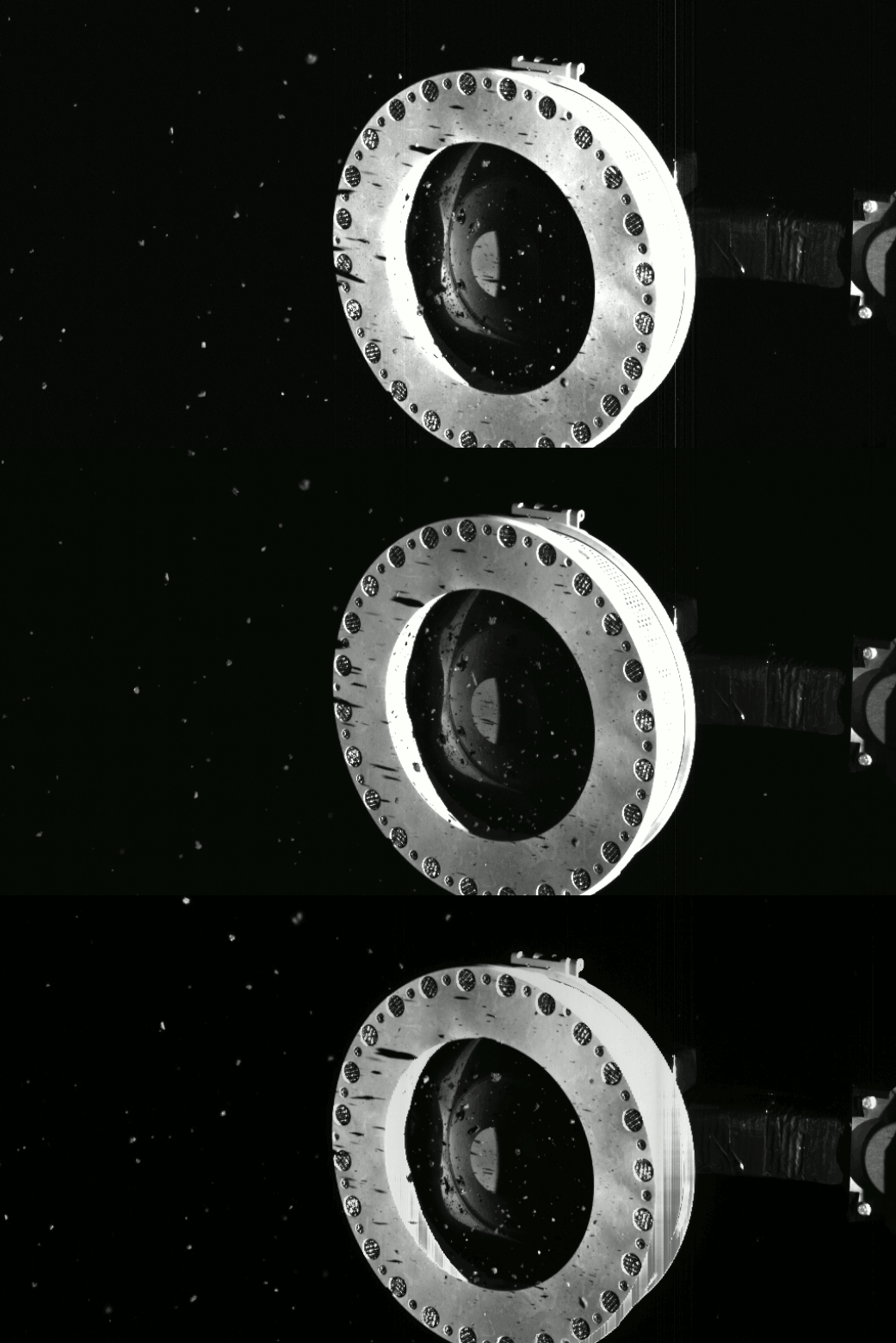
The sample collection, known as Touch-and-Go, occurred on October 20, 2020, at the Nightingale site, a 16-meter (52-foot) crater with fresh material. The TAGSAM arm extended 3.35 meters (11 feet), touching the surface for 6 seconds while releasing nitrogen gas at 10 pounds per square inch (69 kilopascals) to fluidize regolith. This stirred up particles, capturing over 250 grams (8.8 ounces) initially estimated, though final curation yielded 70.3 grams (2.48 ounces) after processing.
The process used no drills, relying on gas to avoid contamination. Cameras recorded the event, showing a cloud of debris as the head penetrated 48 centimeters (19 inches) deep. Back on Earth, the capsule landed at 10.52 meters per second (23.5 miles per hour) descent speed, protected by a heat shield enduring 2,760 degrees Celsius (5,000 degrees Fahrenheit).
Challenges arose when excess sample jammed the collector flap, but engineers resolved it. This method proved effective for low-gravity environments, inspiring future missions.
What Does the Bennu Sample Reveal About Life’s Building Blocks?
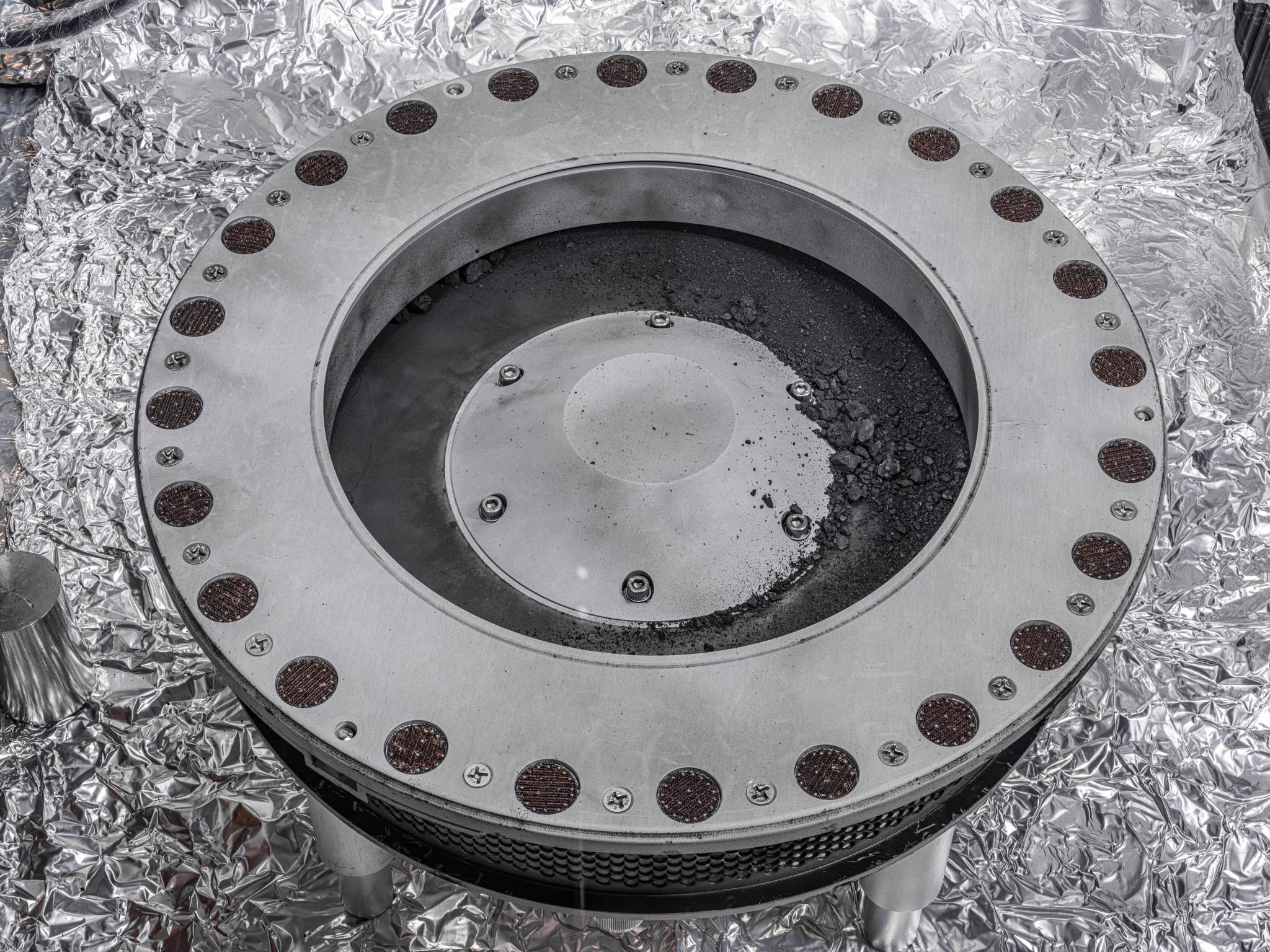
Analysis of Bennu’s samples uncovered a wealth of organic compounds, including 14 of the 20 amino acids (protein building blocks) used by life on Earth, all five nucleobases (DNA/RNA components), ammonia, and formaldehyde. These molecules, found in abundances up to parts per million, suggest asteroids like Bennu could have seeded planets with life’s precursors. The amino acids show a racemic mixture (equal left- and right-handed forms), unlike Earth’s left-handed bias, indicating extraterrestrial origin (NASA, 2025a).
Additionally, the samples contain carbon in various forms, making up about 4.7% by weight, higher than many meteorites. This carbon includes insoluble organic matter, resembling that in primitive chondrites. Implications point to widespread “prebiotic soup” in the early solar system, where water enabled reactions. For complex data, consider a chart listing organic abundances, showing ammonia at exceptionally high levels.
These findings align with the idea that impacts delivered volatiles to Earth, supporting theories on life’s origins. No life evidence exists, but the ingredients were present.
What Evidence of Water and Alteration Was Found in the Samples?
Bennu’s rocks show extensive hydrothermal alteration (chemical changes from hot water), with 80% sheet silicates like serpentine and saponite, formed at temperatures around 25-100 degrees Celsius (77-212 degrees Fahrenheit). Minerals such as magnetite, sulfides, and carbonates indicate prolonged fluid interactions on the parent body, lasting thousands of years (Zega et al., 2025).
Evaporite minerals like trona, first seen in space samples, formed from brine evaporation. This suggests open-system alteration, where fluids flowed and evolved, enriching elements like sodium. Comparisons to Earth’s hydrothermal vents show similar processes, but on a smaller scale.
Bullet points on key minerals:
- Carbonates: 0.4-3.4% volume, with core-shell textures.
- Sulfides: 3-8%, mainly pyrrhotite.
- Magnetite: 3-5%, in framboidal shapes (berry-like clusters).
Such alteration transformed the protolith (original material) into hydrated rocks, preserving solar system history.
How Does Bennu Compare to Other Asteroids Like Ryugu?
Bennu shares similarities with Ryugu, sampled by JAXA’s Hayabusa2 in 2019, both being C-type asteroids with hydrated minerals and organics. However, Bennu’s samples have higher carbonate diversity and less chondrules (melted droplets), suggesting a more primitive origin. Ryugu’s density is 1.19 grams per cubic centimeter, matching Bennu’s, but its surface appears smoother.
Chemical analyses show both escaped intense heating, preserving stardust grains at 29 ppm for SiC in Bennu. Differences may arise from parent body locations: both likely from outer solar system, but Bennu shows more evaporites. Collaboration between NASA and JAXA exchanged samples, enhancing comparisons (NASA, 2025b).
This highlights diversity among primitive asteroids, informing models of material transport.
What Are the Implications for Solar System Origins?
Bennu’s mixed materials—stardust, interstellar organics, and high-temperature minerals—indicate dynamic transport in the early solar system. Its parent body formed far out, incorporating ices that melted, driving alteration. Space weathering, faster than expected from micrometeorites, creates impact melts on surfaces.
These insights suggest asteroids delivered water to inner planets, with uncertainties in exact delivery rates (estimated 0.1-1 Earth oceans). Future missions like OSIRIS-APEX to Apophis will build on this.
Bennu reveals a solar system full of movement and change, challenging static formation models.
In summary, OSIRIS-REx’s discoveries paint Bennu as a relic holding keys to water, organics, and asteroid evolution. From surface surprises to sample secrets, it advances our cosmic knowledge.
Could similar asteroids hold even more clues to life’s universal potential?
📌 Frequently Asked Questions
Did OSIRIS-REx find water on Bennu?
Yes, evidence of past water comes from hydrated minerals like phyllosilicates in the samples. These formed through aqueous alteration on Bennu’s parent body, indicating liquid water existed billions of years ago.
What is Bennu made of?
Bennu consists mainly of carbon-rich rubble, with rocks containing organics, clays, and minerals like magnetite and carbonates. Its composition resembles primitive meteorites, full of building blocks from the early solar system.
How big is asteroid Bennu?
Bennu measures about 490 meters across at its widest point, similar to the height of the Empire State Building. Its shape is like a diamond, with a mass equivalent to thousands of elephants.
What did OSIRIS-REx discover about Bennu’s surface?
The surface is rough and boulder-filled, contrary to smooth expectations. It also ejects particles periodically, likely due to thermal stresses or gas releases.
Is Bennu going to hit Earth?
No immediate threat exists, but it has a small chance in the distant future. Its orbit is monitored closely, with no impacts predicted before 2300.
What organics were found in Bennu samples?
Samples contain amino acids, nucleobases, ammonia, and formaldehyde, key for prebiotic chemistry. These suggest asteroids could have supplied life’s ingredients to planets.
How much sample did OSIRIS-REx return?
The mission returned 70.3 grams of material, exceeding the 60-gram goal. This includes dust and small rocks for ongoing analysis.
What is the age of asteroid Bennu?
Bennu formed around 4.5 billion years ago, but its surface age is younger due to reshuffling. Cosmic ray exposure dates some materials to about 5 million years.
How does Bennu compare to Ryugu?
Both are hydrated, carbon-rich asteroids, but Bennu has more diverse evaporites and organics. They likely share similar origins in the outer solar system.
What will happen to the OSIRIS-REx spacecraft next?
Renamed OSIRIS-APEX, it heads to asteroid Apophis for a 2029 encounter to study another near-Earth object.
Sources
NASA. (2025, January 29). NASA’s asteroid Bennu sample reveals mix of life’s ingredients. NASA. https://www.nasa.gov/news-release/nasas-asteroid-bennu-sample-reveals-mix-of-lifes-ingredients/
NASA. (2025, August 22). NASA’s Bennu samples reveal complex origins, dramatic transformation. NASA Science. https://science.nasa.gov/uncategorized/nasas-bennu-samples-reveal-complex-origins-dramatic-transformation/
Zega, T., McCoy, T., & et al. (2025, August 22). Mineralogical evidence for hydrothermal alteration of Bennu samples. Nature Geoscience. https://doi.org/10.1038/s41561-025-01741-0